Vitality & Strength
 Stress & Immunity
 Women's Wellness
 Curated Wellness Kits


Home Remedies for Constipation That Actually Help
 By Curo Herb
5 months ago
By Curo Herb
5 months ago

Constipation is one of those issues people don’t talk about openly, yet almost everyone experiences it at some point. It might seem like a minor inconvenience, but when it becomes frequent, it can affect your mood, energy levels, appetite, and overall quality of life.
If you’ve ever felt bloated, uncomfortable, or struggled with irregular bowel movements, you know how frustrating it can be. Many people immediately turn to laxatives, but relying on them regularly can disrupt your body’s natural rhythm.
The good news is that constipation can often be managed naturally. With the right combination of home remedies, diet changes, and daily habits, you can restore healthy digestion and feel lighter, more energetic, and comfortable again.
This guide explores home remedies for constipation that actually help, backed by practical experience and holistic wellness principles.
Understanding Constipation
What is Constipation?
Constipation occurs when bowel movements become infrequent, difficult, or incomplete. Ideally, a healthy digestive system should allow regular elimination without strain. When stools become hard or difficult to pass, it signals an imbalance in digestion.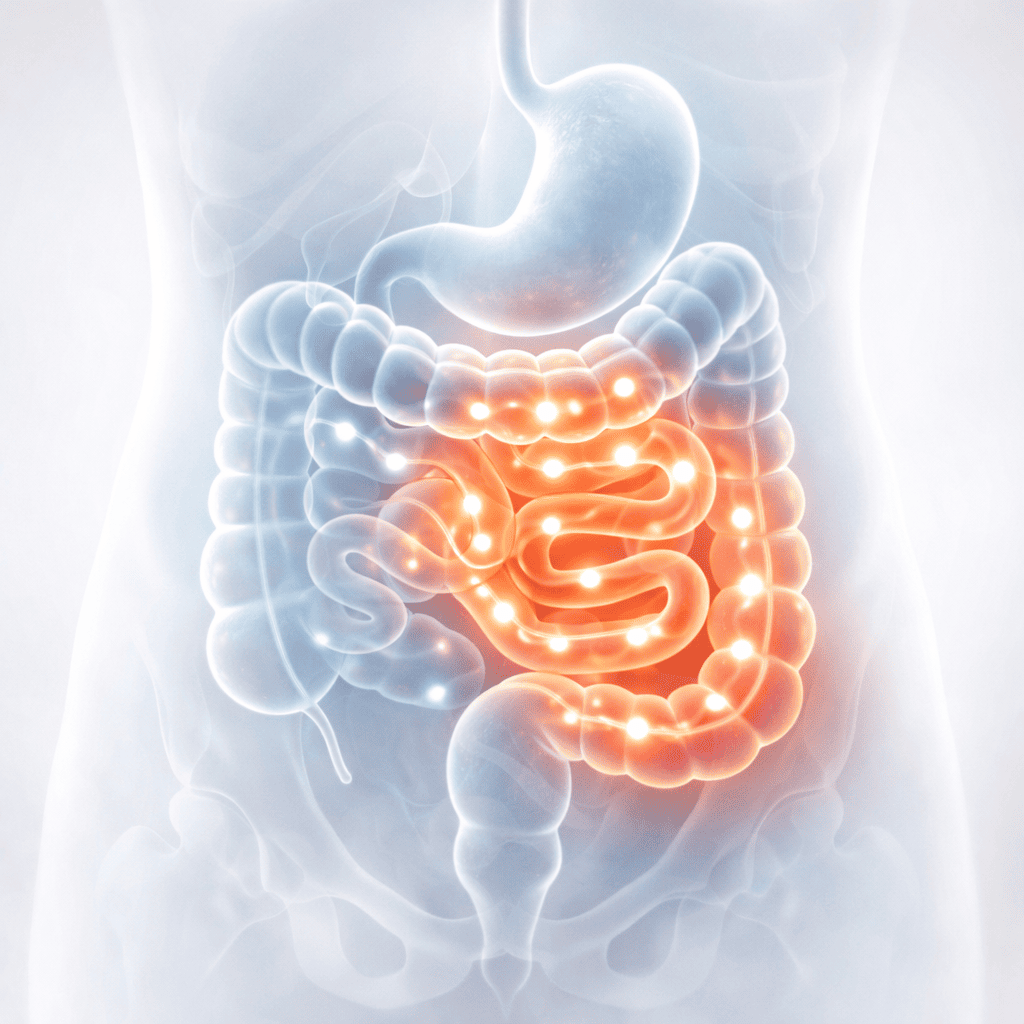
Common Causes of Constipation
Constipation is usually not caused by a single factor. Instead, it develops due to a combination of lifestyle habits. Low fiber intake, dehydration, lack of physical activity, stress, and irregular eating patterns are some of the most common causes.
Ignoring the urge to pass stool, excessive intake of processed foods, and certain medications can also contribute to the problem. Understanding the cause is the first step toward finding the right solution.
Symptoms You Should Pay Attention To
Early Signs
Constipation often begins with subtle signs like reduced bowel frequency, slight bloating, or a feeling of incomplete evacuation. These early symptoms are easy to ignore but should not be overlooked.
Advanced Symptoms
If left unmanaged, constipation can lead to hard stools, abdominal discomfort, excessive straining, and even headaches or fatigue. Chronic constipation may also affect appetite and overall digestion.
Home Remedies for Constipation That Actually Help
Warm Water First Thing in the Morning
Starting your day with warm water is one of the simplest yet most effective habits for improving digestion. It helps stimulate bowel movement and prepares your digestive system for the day.
Drinking one or two glasses of warm water on an empty stomach can gently activate intestinal movement and reduce constipation over time.
Fiber-Rich Foods for Natural Relief
Fiber is essential for smooth digestion. It adds bulk to the stool and makes it easier to pass.
Including foods like fruits, vegetables, whole grains, and seeds in your daily diet can make a significant difference. Instead of sudden changes, gradually increase fiber intake to avoid discomfort.
Soaked Raisins and Figs
Dry fruits like raisins and figs are known for their natural laxative properties. When soaked overnight, they become softer and easier to digest.
Eating them in the morning helps stimulate bowel movement and improves gut health naturally.
Isabgol (Psyllium Husk)
Isabgol is a widely used natural remedy for constipation. It absorbs water in the intestines and forms a gel-like substance that softens stool.
Taking a teaspoon of isabgol with warm water or milk at night can provide gentle and effective relief.
Ghee with Warm Milk
This traditional remedy works by lubricating the intestines and easing bowel movement.
Adding a teaspoon of ghee to warm milk and consuming it before bedtime can help relieve constipation, especially in cases of dry stools.
Lemon Water
Lemon acts as a natural detoxifier and stimulates digestion.
Drinking warm lemon water in the morning helps flush out toxins and supports regular bowel movements.
Physical Activity and Movement
Lack of movement slows down digestion. Regular physical activity helps stimulate intestinal contractions.
Even a simple 20–30 minute walk daily can significantly improve bowel regularity.
Coffee (Natural Stimulant Effect)
For some people, coffee acts as a natural stimulant that triggers bowel movement.
However, it should be consumed in moderation, as excessive intake may lead to dehydration.
Foods That Help Relieve Constipation
Hydrating Fruits
Fruits like papaya, banana, and apple contain fiber and water, making them ideal for digestion.
Whole Grains
Whole grains like oats and brown rice support healthy bowel movement and improve gut function.
Seeds and Nuts
Chia seeds, flaxseeds, and almonds provide fiber and healthy fats that aid digestion.
Foods to Avoid
Processed and Junk Food
These foods lack fiber and can slow down digestion.
Excess Dairy
Too much dairy can contribute to constipation in some individuals.
Low Water Intake
Dehydration is one of the biggest contributors to constipation.
Lifestyle Changes That Make a Real Difference
Stick to a Routine
Your digestive system responds well to consistency. Eating and sleeping at the same time daily helps regulate bowel movement.
Don’t Ignore the Urge
Ignoring the natural urge can worsen constipation over time.
Manage Stress
Stress directly affects digestion. Relaxation techniques like yoga and breathing exercises can help.
When to See a Doctor
Warning Signs
If constipation persists for weeks, or if you notice severe pain, blood in stool, or unexplained weight loss, consult a doctor immediately.
Final Thoughts
Constipation is not just about digestion—it reflects your overall lifestyle. Instead of looking for instant fixes, focus on building habits that support long-term gut health.
Natural remedies work best when combined with proper hydration, balanced diet, and regular activity. With consistency, you can restore your digestive balance and feel healthier every day.
Categories
Trending Now